History January: A Charming Handwritten Font for Crafters
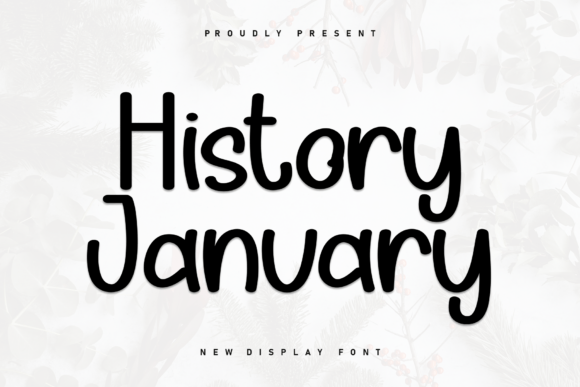
There is a distinct magic in the way a handwritten font can transform a simple product into something deeply personal. As someone who spends their days cutting vinyl, printing labels, and designing digital downloads, I have learned that the right typeface is just as important as the color palette or the paper stock. Enter History January, a script amp style font that feels less like a digital file and more like a genuine brush stroke on a page. It is a charming handwritten font filled with a sense of heartfelt perfection, offering smooth strokes and organic lines that evoke a relaxed atmosphere perfect for a variety of design projects.
The Heartfelt Personality of History January
When you first load History January into your design software, the difference is immediately apparent. Unlike rigid, geometric scripts that feel manufactured, this font possesses an organic flow. The varying line weights mimic the pressure of a hand holding a brush or a fine-point marker. This visual personality makes it an ideal choice for creators who want to infuse their brand identity with warmth and authenticity. In the world of handmade goods, where customers are often buying the story behind the item, a creative font like this bridges the gap between a mass-produced look and a bespoke creation.
This display font shines when used for short phrases, names, titles, and decorative wording. Its readability remains high even at smaller sizes, which is crucial for product labels and tags. Whether you are designing a wedding welcome board or a set of planner stickers, the relaxed nature of the letterforms ensures that the message is conveyed with elegance rather than clutter. It captures the essence of modern typography while retaining a classic, timeless appeal that resonates with buyers looking for quality.
Bringing History January to Life in Physical Products
The true test of any premium font is how well it translates from the screen to physical media. For crafters using Cricut or Silhouette machines, History January offers excellent performance. The smooth curves cut cleanly without requiring excessive weeding, making it efficient for creating intricate vinyl decals. Imagine applying this font to a custom candle label; the organic lines suggest a small-batch, artisanal product, instantly elevating the perceived value of the item. Similarly, on tote bags or t-shirts, the font’s fluidity adds a touch of sophistication that blocky sans serif fonts simply cannot achieve.
For those focused on paper goods, this typeface is a powerhouse. Consider a boutique stationery shop creating birthday invitations or wedding save-the-dates. Using History January for the couple's names or the event title creates an immediate emotional connection. It feels intimate and celebratory. Beyond events, think about seasonal craft designs. A farmhouse sign reading "Welcome" in this script, paired with rustic wood textures, creates a cozy aesthetic that sells itself. Even for holiday product packaging, such as gift tags or boxes, the font adds a layer of care that customers appreciate during the gifting season.
Practical Applications for Digital Creators
If your business revolves around digital downloads, printable wall art, or SVG-style designs, History January is equally versatile. When selling printable planners or journal templates, the font can serve as a beautiful header for monthly spreads or motivational quotes. Its legibility ensures that users can read the text clearly once printed, which is a common pitfall with overly decorative scripts. Furthermore, for social media graphics promoting your shop, using this font helps maintain a consistent visual language across Instagram, Pinterest, and Etsy listings. It signals to your audience that your brand values detail and craftsmanship.
Readability is paramount when scaling down designs. On small stickers or product labels, ensure there is sufficient spacing between letters. While History January is designed to be readable, extremely tight kerning can cause issues when printed on textured surfaces or cut from thin vinyl. Always create a mockup preview before finalizing a batch order. Check how the ink sits on the specific material you are using, as glossy versus matte finishes can affect the perception of the font's stroke width.
Mastering Font Pairing for Maximum Impact
While History January is stunning on its own, pairing it with complementary typefaces can elevate your design assets significantly. A reliable rule in logo design and packaging design is to contrast styles. Since History January is an expressive script font, it pairs beautifully with a clean sans serif font for body copy. The simplicity of a geometric or humanist sans serif allows the character of the script to shine without competing for attention.
Alternatively, for a more traditional or editorial look, try pairing it with a simple serif font. This combination works exceptionally well for wedding stationery or high-end product branding. If you are designing a website or a larger poster, use the script for headlines and the serif or sans serif for paragraphs. This hierarchy guides the reader's eye naturally. Avoid pairing it with other heavy display fonts, as this can make the design feel chaotic and reduce the overall professionalism of your brand identity.
Licensing and Commercial Use for Sellers
As a small shop owner or Etsy seller, understanding the licensing terms of your design assets is critical. History January is marketed as a commercial font, but it is essential to review the specific license agreement provided by the creator. Generally, a standard commercial license allows you to sell physical products featuring the font, such as mugs, shirts, signs, and labels. However, rules regarding digital downloads, templates, and client work can vary.
If you plan to sell digital files where the customer receives the actual font file, you may need an extended license. For most crafters selling finished goods or printables where the font is rasterized (converted to an image) or embedded in a PDF, the standard license usually suffices. Always verify if the license covers web design, app icons, or unlimited merchandise production. Protecting your business means respecting intellectual property rights, ensuring that you can continue to use this beautiful typeface without legal hurdles.
Technical Features and Design Flexibility
Beyond its aesthetic appeal, History January includes practical features that aid in professional design. Check the included file formats to ensure compatibility with your workflow; typically, you will find OTF, TTF, and WOFF versions. These formats ensure smooth integration into Adobe Illustrator, Canva, Procreate, and cutting machine software. Look for alternates, ligatures, and swashes within the font family. These extra characters allow you to customize the look of specific words, adding unique flourishes to a logo or a special invitation header.
Multilingual support is another key consideration if your customer base is global. Ensure the font supports the necessary character sets for your target market. Whether you are creating a French bakery sign or a Spanish greeting card, having a robust character map prevents awkward substitutions. By taking advantage of these technical features, you maximize the versatility of the font, making it a long-term asset in your creative toolkit.
In the competitive landscape of handmade and digital goods, every detail counts. History January offers more than just letters; it offers a mood, a story, and a professional edge. From the first sketch to the final cut, this font stands ready to help you create products that not only look beautiful but also connect emotionally with your customers. Embrace the charm of this handwritten masterpiece and let your creations speak with a voice that is both relaxed and perfectly crafted.